Why White Water Rafting Tours in Ubud Bali Are Worth Every Penny

If there’s one thing that keeps travelers buzzing about Bali, it’s the unbeatable mix of nature, adrenaline, and culture — all wrapped up in a single destination. And when people talk about adventure in Bali, white water rafting tours in Ubud Bali almost always top the list. I’ve been lucky enough to experience it more than once, and every single time, it hits differently. Whether it’s the rush of paddling through roaring rapids or drifting quietly beneath lush jungle canopies, rafting here isn’t just a quick thrill — it’s the kind of experience that lingers long after you’ve dried off.

Ubud sits in the heart of Bali, surrounded by rice terraces, hidden temples, and rainforest-covered valleys. This isn’t your typical resort area. It’s calm and spiritual on the surface, but take a short drive down the Ayung River or Telaga Waja River, and suddenly, you’re in full adventure mode. That’s what makes white water rafting tours in Ubud Bali worth every single rupiah you’ll spend — because it’s not just about rafting; it’s about soaking up everything that comes with it: the views, the locals, the sounds of the jungle, and that unspoken camaraderie between rafters who’ve just tackled the same wild current.

The Real Cost vs. The Real Value of Rafting in Ubud

Let’s be real — people often ask me, “Is rafting in Ubud really worth it?” My short answer: 100% yes. The long answer? Let’s break it down.

A typical rafting tour in Ubud costs somewhere between IDR 350,000 to 800,000 per person (roughly $25–$55 USD). Prices fluctuate based on the operator, river chosen, and add-ons like lunch or hotel pickup. On paper, that might seem steep, especially if you’re traveling on a budget. But when you factor in what’s included — safety gear, professional guides, transportation, insurance, buffet lunch, and often a shower with a view of the jungle — it’s actually a bargain.

Most operators use the Ayung River, which stretches about 10 kilometers through Ubud’s dense rainforest. It’s famous for its Class II–III rapids — enough to give you a heart-pumping thrill, but still safe for beginners and families. If you want something a little more intense, the Telaga Waja River over in East Bali is your go-to. It’s longer (about 14–16 kilometers) and rated Class III–IV, which means stronger currents, steeper drops, and a faster pace overall.

And the thing is, these aren’t just any rivers. According to data from the Bali Tourism Board, Ayung and Telaga Waja rank among the most scenic rafting locations in Southeast Asia — not only for the adventure but also for their cultural and environmental significance. The Ayung River, for instance, flows right past ancient stone carvings that date back hundreds of years. You literally raft by history carved into the cliffs.

A Day in the Life: What a Rafting Tour in Ubud Really Feels Like

So, let’s paint the picture a bit. You get picked up early — most tour vans arrive around 8:00 AM depending on where you’re staying. The drive to the rafting start point usually takes about 30 to 45 minutes if you’re based in central Ubud. Don’t expect a boring ride either; the road winds through tiny Balinese villages where locals go about their day — roosters crowing, kids walking to school, women balancing fruit baskets on their heads.

Once you arrive, the first thing that hits you is the sound of the river — that distant, steady roar mixed with bird calls and the smell of wet earth. You’re given your gear: a helmet, life vest, and paddle. It’s nothing fancy, but it does the job. After a short safety briefing (which always includes a few jokes from the guides), you’ll start your trek down to the river. Now, this part surprises a lot of people — you’ll descend around 400 to 500 steps through lush greenery to reach the water. It’s a mini workout, but worth every step once you see the view.

When your inflatable raft finally hits the water, that’s when the magic happens. The first few minutes are calm — your guide lets you float for a bit, getting used to the paddle strokes. Then suddenly, the river narrows, the current picks up, and boom — you’re crashing into your first rapid. Everyone’s screaming and laughing, water splashing everywhere. It’s wild, chaotic, and incredibly fun.

But the best part, hands down, is when the rapids calm down, and you drift quietly under overhanging vines and waterfalls cascading from the cliffs above. Monkeys sometimes peek from the treetops. You might even spot local farmers tending to the rice terraces above the riverbank. It’s this weirdly perfect mix of tranquility and adrenaline — something that’s uniquely “Bali.”

Ayung River vs. Telaga Waja River: Which One Should You Choose?

Choosing between the Ayung and Telaga Waja Rivers kind of depends on your vibe. If you’re traveling with kids, older parents, or you’re just not that into extreme sports, Ayung River is your best bet. It’s beginner-friendly, scenic, and packed with cultural touches. The walls along some parts of the river are carved with Ramayana reliefs, intricate stone artworks telling ancient Hindu stories. Seriously, it’s like paddling through an open-air museum.

The Telaga Waja River, on the other hand, is the one for thrill-seekers. Located near Mount Agung, it’s steeper and faster. The drops are bigger, and the rapids keep you on edge almost the whole time. There’s even a 4-meter waterfall drop that most rafters remember as the highlight of their trip. I remember doing that one the first time — I was screaming like a kid but grinning the whole way down.

Some travelers like to do both rivers on separate days just to compare, and honestly, I get it. The difference in scenery alone makes it worthwhile. The Ayung feels more like a jungle safari, while Telaga Waja feels like an action movie. Both end with showers, a hearty Balinese lunch (usually buffet-style with rice, noodles, grilled chicken, and fruit), and the satisfaction of having conquered nature for a couple of hours.

Safety Isn’t Just a Buzzword Here

I’ve done rafting in other countries before — Thailand, Costa Rica, even Nepal — but one thing Bali really nails is safety without killing the fun. All licensed rafting operators in Ubud are required to follow strict safety standards set by Indonesia’s Ministry of Tourism and Creative Economy. Every participant is insured, guides are certified in first aid, and the gear is inspected daily.

According to the Indonesian River Rafting Federation (FAJI), accidents are extremely rare on both the Ayung and Telaga Waja Rivers, especially when you go with reputable operators. Most guides have been doing this for years — some since they were teenagers. 
You can tell by the way they read the river like it’s a familiar song. They’ll crack jokes, splash you on purpose, and still keep everyone perfectly safe.

One small thing people often forget: you will get soaked, and you will bump into rocks. It’s part of the fun. So wear clothes that dry quickly — avoid cotton — and leave your fancy stuff at the hotel. If you’re wearing glasses, strap them tight. I lost a pair of sunglasses once during a wild spin near rapid number 6 — didn’t even realize it until we hit the calm water. Lesson learned.

When’s the Best Time to Go Rafting in Ubud?

Timing makes a huge difference. Bali’s tropical weather basically runs on two main seasons: the dry season (April–October) and the rainy season (November–March).

If you want the rapids strong and exciting, go during or just after the rainy season. The river levels are higher, currents faster, and the whole jungle looks ridiculously lush. However, if you prefer gentler water and clearer skies, the dry season is perfect. You’ll get plenty of sun, and it’s a lot easier to take photos.

Personally, I love rafting around May or June. It’s that sweet spot between both seasons — enough water to make it thrilling, but not so much that you feel like you’re fighting for your life. Morning sessions (around 9 AM) are ideal because the air’s cool and the light filtering through the trees makes everything glow.

How to Pick the Right Rafting Operator

This is where a lot of travelers mess up — they just pick the cheapest deal they find online. Don’t. With rafting, you really do get what you pay for.

When choosing a rafting company, look for:

•    Certified and experienced guides.
•    Clear safety instructions in English (or your language).
•    Well-maintained gear and life jackets.
•    Licensed operation by the Bali Tourism Office.
•    Transparent pricing with no sneaky add-ons.

Some reputable operators like Sobek Rafting, Mason Adventures, and Bali Adventure Rafting have been around for decades and have spotless safety records. They’re a bit pricier, but they handle everything — from pickup and meals to hot showers and locker facilities.

I once tried a cheaper, lesser-known operator just out of curiosity. The experience wasn’t terrible, but the life jackets were worn out, and the guide didn’t seem very confident in English. It just made me realize why the established ones are worth paying a bit more for. The difference in comfort and safety is huge.

Want to avoid tour crowds? A Bali private driver is your best bet. Want to avoid tour crowds? A Bali private driver is your best bet.

Cultural and Environmental Side of Ubud’s Rivers

Here’s something that doesn’t get talked about enough: rafting in Ubud isn’t just an adventure, it’s also a connection to local culture. The rivers here aren’t random tourist attractions — they’re part of Balinese spiritual life. Many locals believe the rivers are sacred, representing the flow of life and energy. It’s common to see small offerings placed on stones near the water.

During one trip, our guide stopped at a quiet section of the Ayung and explained how nearby villagers perform ceremonies along the river to honor Dewi Danu, the goddess of water. That moment really stuck with me. It reminded me that this wasn’t just “fun on the river,” it was part of something ancient and deeply rooted.

Environmentally, most established operators have switched to eco-friendly practices — biodegradable soaps, zero-plastic policies, and proper waste management. The Bali Environmental Agency has even started partnering with rafting companies to monitor water quality. It’s encouraging to see how tourism, when done right, can help preserve rather than destroy natural beauty.

The Food, The People, and That After-Rafting Feeling

You’ll probably be starving after a two-hour rafting session. Luckily, most rafting packages end with a Balinese-style buffet lunch. Don’t expect gourmet, but it hits the spot — fried noodles, steamed rice, satay skewers, crispy tempeh, and piles of tropical fruit. The open-air restaurants are often perched on the riverbank, giving you that “I just conquered the jungle” vibe while you eat.

But what makes it even more special are the people. The local guides are honestly some of the funniest, warmest folks you’ll meet in Bali. They tease, sing, and somehow manage to make everyone feel like family by the end of the ride. I remember one guide named Made who somehow knew how to splash just enough water to keep things hilarious but not chaotic. When we reached the end, he told us, “Now you are Balinese warriors,” and everyone burst out laughing.

That’s what rafting in Ubud is about — not just the water or the adrenaline, but that shared laughter, those fleeting connections with strangers who end up feeling like teammates.

Why Families, Couples, and Solo Travelers All Love It

You might think rafting is just for thrill-seekers, but honestly, it’s surprisingly universal. I’ve seen families with kids as young as 7 having a blast on the Ayung, honeymooners holding hands while paddling (well, trying to), and solo travelers like me just soaking up the whole vibe.

For families, it’s a safe adventure where kids can burn energy and adults can unwind in nature. Couples love it because it’s this mix of teamwork, laughter, and that “we did this together” kind of bonding. Solo travelers — well, rafting is a great way to meet people. I’ve made friends from Germany, Japan, and Brazil all in one raft. By the time we hit the last rapid, we were all cheering for each other like old friends.

It’s that kind of experience that makes you forget you’re technically a tourist. You’re just another person having a wild, joyful day on one of the most beautiful rivers on the planet.

Photography and Capturing the Moment

One of the coolest things about rafting tours in Ubud is that many operators now offer on-river photography. There’s usually a photographer stationed at key rapids with a waterproof camera who captures your team in full action mode — faces half-screaming, half-laughing. You can buy the photos afterward, usually for around IDR 200,000–300,000 ($15–$20 USD). Totally worth it, in my opinion.

If you bring your own GoPro or waterproof phone case, attach it securely. I’ve seen people lose cameras to the river gods more times than I can count. Pro tip from experience: use a chest harness, not a hand strap. That way, you can paddle freely without worrying about dropping anything.

And if you’re a content creator or travel blogger, rafting footage is gold. It’s dynamic, authentic, and shows a raw, adventurous side of Bali most people don’t see when they’re lounging on beaches.

Hidden Perks: What You Get Beyond the Rafting

There’s a lot more to these tours than just the river. Most packages include round-trip hotel transfers, meaning you don’t have to worry about transport. Some even bundle in other attractions like coffee plantation visits, waterfall stops, or swings overlooking rice terraces.

A few tours combine Ayung rafting with an ATV jungle ride, which makes for a full-day adventure. It’s honestly one of the best combos I’ve done — you get the thrill of the rapids in the morning, followed by the muddy, heart-racing fun of driving an ATV through the Balinese countryside.

If you’re the type who likes a little luxury, there are even premium rafting packages that end with a spa session or a traditional Balinese massage. It’s such a perfect balance — adrenaline first, then total relaxation after.

Sustainability and Community Support


This might not be the first thing travelers think about when booking rafting tours, but it’s something I’ve come to appreciate over the years. Many Ubud-based rafting companies employ locals from nearby villages, providing steady jobs and fair wages. Some even reinvest a portion of their profits into community projects — building schools, maintaining temples, or supporting reforestation.

According to a 2023 report by Udayana University’s Center for Sustainable Tourism Studies, rafting tourism in Ubud has contributed significantly to local economic stability while maintaining ecological balance. That’s not something you can say about every form of tourism.

So when you book a rafting trip here, you’re not just paying for a day of fun — you’re actually supporting a system that helps preserve Bali’s culture and environment. It’s a small but meaningful way to travel responsibly.

A Few Random Nuggets I’ve Learned Over Time

Since I’ve done this multiple times, I’ve picked up a few lessons the hard way:

•    Always bring a change of clothes — including dry underwear. You’ll thank yourself later.
•    Don’t eat a heavy breakfast before rafting. A light meal and plenty of water is best.
•    Bring cash, because some small operators don’t accept cards, especially for photo purchases.
•    Don’t overthink it. Even if you’ve never rafted before, the guides have your back.

There was one time I went rafting after a long night out (not my smartest move). Let’s just say, bouncing through rapids with a mild hangover is an unforgettable kind of wake-up call. But hey, I survived — and it made for a great story.

So, Are White Water Rafting Tours in Ubud Bali Worth It?


Without a doubt, yes. Because when you pay for white water rafting tours in Ubud Bali, you’re not just buying an activity — you’re buying a full-blown memory. It’s two hours of laughter, nature, and pure adrenaline set in one of the most beautiful landscapes on Earth. Whether you’re a first-timer or a seasoned adventurer, rafting here delivers every single time.

Bali's Best Adventures Await!
Temples

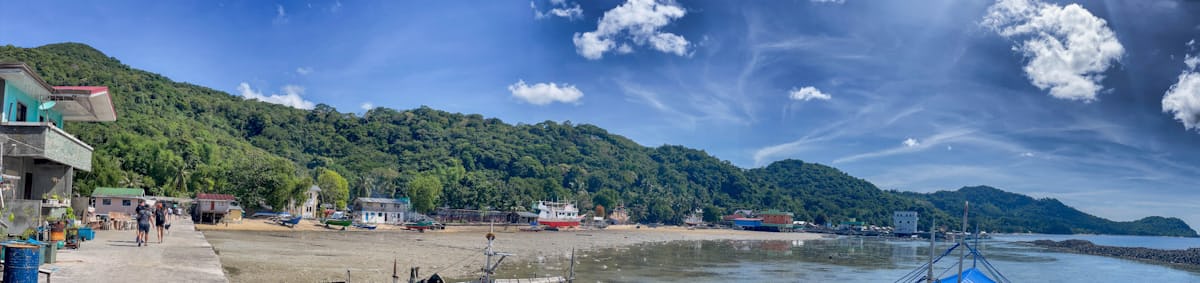
Wander through ancient spiritual sites. Feel the history whisper tales of old gods and kings. It's more than just stone; it's a vibe.
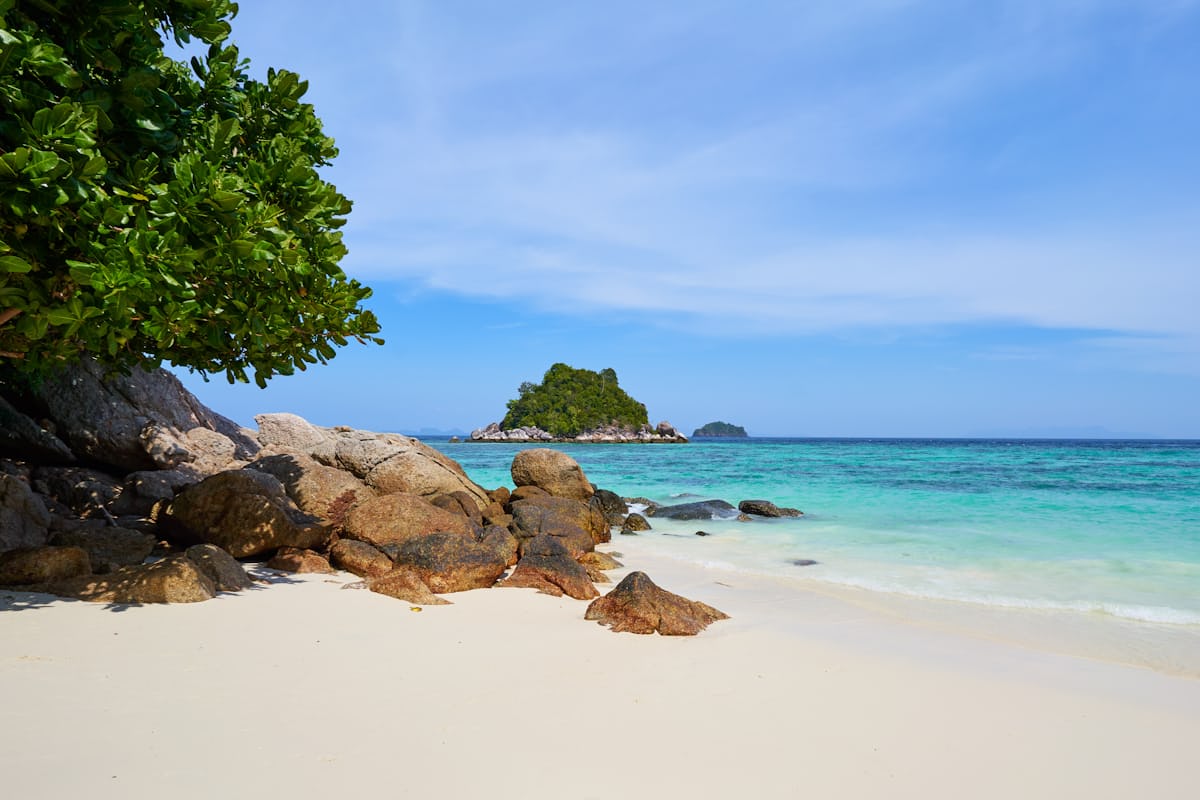
Beaches

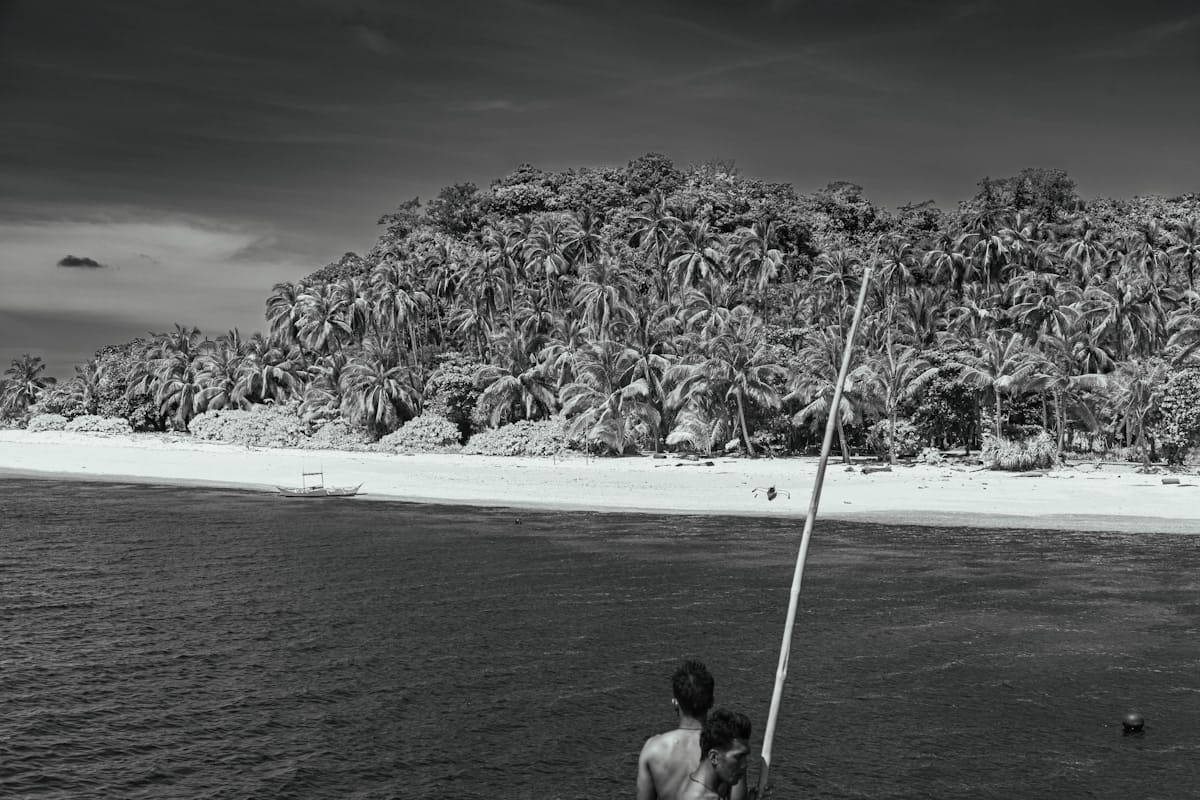
Sun-kissed sands and turquoise waters. Perfect for chilling or catching some gnarly waves. Don't forget the sunscreen, you'll thank us later.
Volcanoes

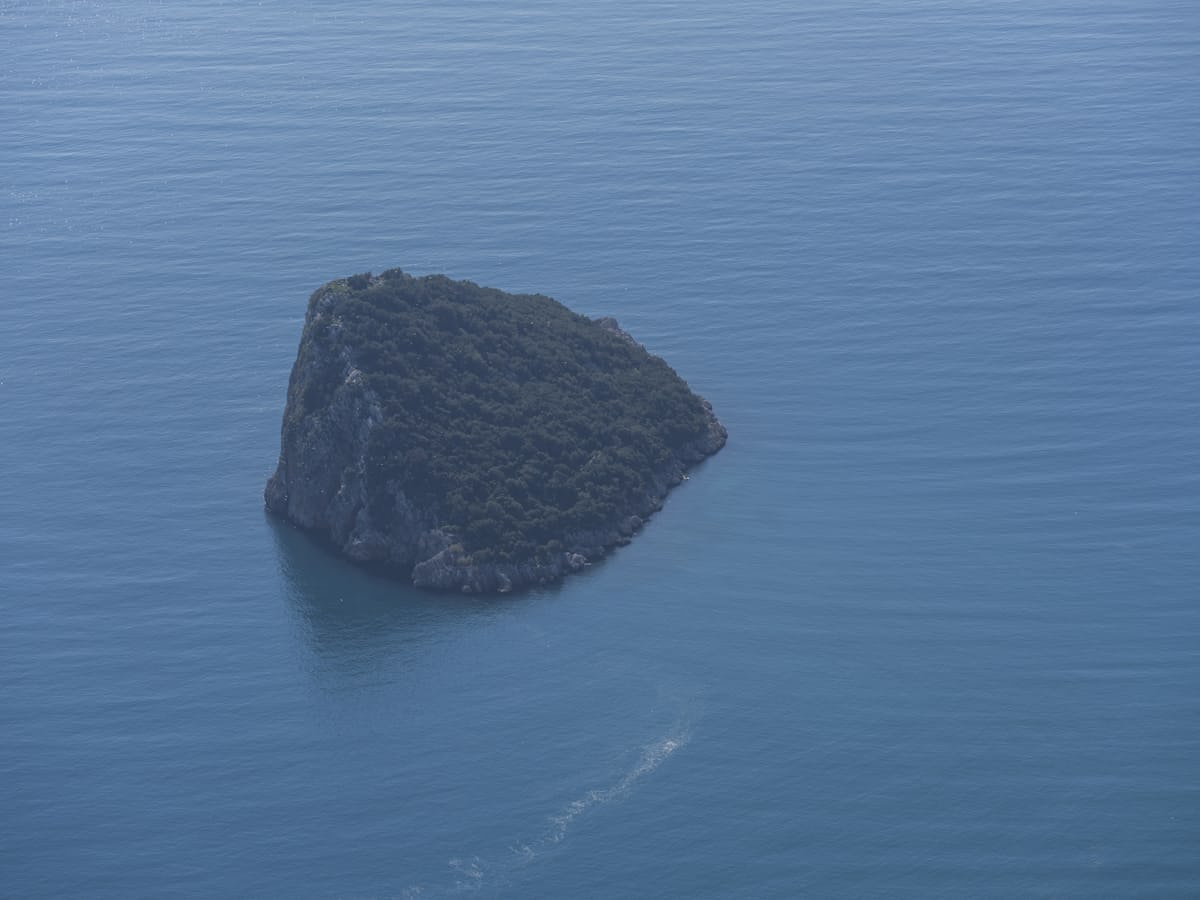
Hike to the heavens! Witness breathtaking sunrises from volcanic peaks. Just try not to wake the dragon.
Culture

Immerse yourself in vibrant traditions. Witness captivating dances and local artistry. It's the real deal, no tourist traps here.
Food

Taste the island's soul. From spicy sambals to sweet treats, your taste buds are in for a wild ride. Prepare for deliciousness.

Bali: Beyond the Postcards

Forget what you think you know. Bali is a sensory explosion waiting to happen. It's a place where the spiritual meets the seriously fun. Get ready for an experience that will stick with you.

Why Bali?

  • Epic Views
  • Amazing Food
  • Cool Culture
  • Adventure
  • Relaxation

We've curated the most unforgettable activities. From sunrise hikes to secret waterfalls, we've got your back. Let's make some memories, shall we?

Choose Your Bali Vibe

$250 USD

Explorer

A taste of everything. Perfect for first-timers wanting a bit of everything.

$500 USD

Adventurer

For the thrill-seekers. More adrenaline, more unforgettable moments.

$800 USD

Connoisseur

The ultimate Bali immersion. All the bells and whistles, zero regrets.

Bali FAQs

Dry season, April to September. But honestly, Bali's always a good idea.

Depends on your nationality. Check official sources, don't wing it.

Light clothes, swimwear, sunscreen, and good vibes.

Generally yes, but be street smart. Watch your belongings.

Nah, stick to bottled water. Your stomach will thank you.

Indonesian Rupiah (IDR). Cards are widely accepted too.

98

percent

500

tours

10000

smiles

Happy Travelers

Bali was insane! I surfed, I ate, I almost got lost. 10/10 would recommend this crazy island.

Mike R.

Never thought I'd see so many monkeys. They're bolder than they look! The views were spectacular though.

Sarah L.

This trip was a blast. The volcano hike was tough, but the sunrise made it worth every sweaty step.

David K.

Why Bali?

Forget your worries and dive headfirst into pure exhilaration. This island paradise is calling your name, and it's not taking no for an answer.

Activities:

  • Adrenaline
  • Culture
  • Food
  • Relaxation
  • Fun

Don't just dream about it, do it! Your unforgettable Bali adventure is just a click away. What are you waiting for?

Your Bali Escape Starts Now!

**Bali's Best Bets**

**Get Ready!**

Forget boring. We've got the wildest adventures Bali has to offer. Prepare for thrills, spills, and memories that'll make your friends green with envy. Seriously, it's that good.

**Island Vibes**

**Our Guides**

**Made 'The Monkey'**

**Dewi 'The Daredevil'**

**Agus 'The Ace'**

**Sari 'The Survivor'**

**Book Now!**

Don't wait! Your Bali escapade is just a click away. Let's make some noise!